

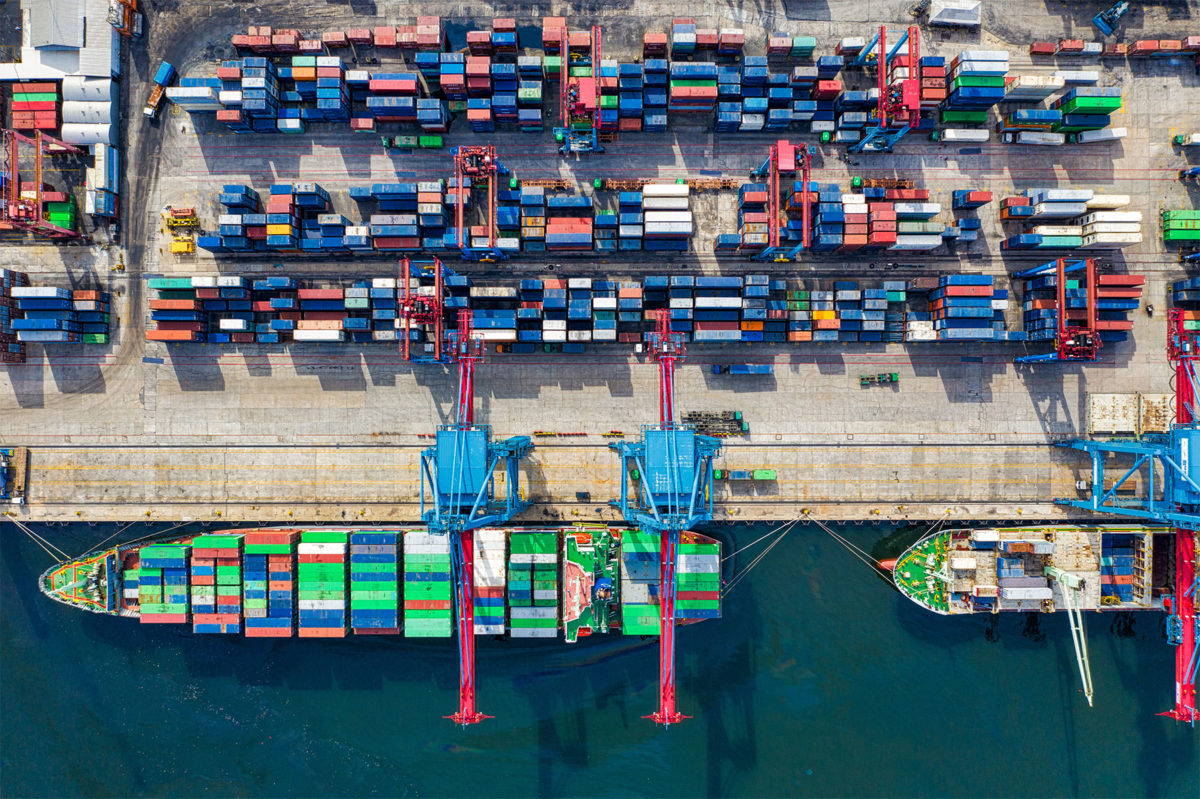
maritime-marsaship-1200x799.jpg

In a world where international trade accounts for 57% of the global economy, maritime transport takes center stage, handling a staggering 90% of this trade, as reported by The Container Port Performance Index (CPPI) published by the World Bank.

With over 100 shipping lines in operation, these companies are entrusted with the crucial task of ferrying goods between nations via container ships, facilitating an unimpeded flow of products.

Understanding Shipping Companies

Shipping companies specialize in sea-based cargo transportation, utilizing container ships that traverse from one port to another. Virtually all types of goods can be transported in containers, as they provide a secure and efficient means of shipment, allowing for swift and hassle-free handling at ports.

The Crucial Role of Shipping Companies

At the heart of shipping companies’ operations is the movement of full containers, known as FCL cargo, from origin to destination via sea routes. However, recognizing the need of small and medium-sized import-export businesses for a cost-effective solution to transport smaller volumes of merchandise, known as LCL cargo, has become imperative.

This is where freight forwarders step in, providing personalized international logistics services that cater to the specific needs of clients. By coordinating with shipping companies and other entities in the supply chain, these forwarders secure spaces on container ships, enabling users to transport cargo either in full containers or by consolidating merchandise from multiple owners.

The Technological Edge: Driving Efficiency in Shipping

Technology plays a pivotal role in streamlining operations and reducing costs in international transportation. It enables real-time monitoring of operations, generates automated reports, and consolidates all necessary documentation in one accessible platform.

Diving Deeper: Types of Shipping Line Services

  1. Regular Line: Operating on a fixed itinerary and route, shipping companies under this service ensure shipments adhere to estimated arrival and departure schedules. Each shipment is governed by a Bill of Lading contract.
  2. Tramp: This term, derived from the English word “wanderer,” aptly describes vessels without a fixed route. These ships have the freedom to traverse the globe, offering flexible transportation solutions for cargo from any port to another.

The Pillars of Maritime Transport: Key Players

Efficient maritime transport involves a seamless logistical process, with various professionals on ships and in ports ensuring the safe and timely movement of goods. These individuals include:

  • Pilots: Advising ship captains during port entry and docking maneuvers, providing critical insights on currents, drafts, and wind conditions.
  • Tugboats: Assisting ships in docking, undocking, rescue operations, and fire protection, both at sea and in port areas.
  • Mooring Personnel: Facilitating ship arrival and departure from land, securing crossings and springs to dock bollards for a secure docking.
  • Longshoremen: Handling the loading and unloading of merchandise using cranes and specialized equipment.
  • Soborders: Coordinating the organization and stacking of containers in ports based on cargo type, destination, and weight to ensure ship stability.
  • Maritime Traffic Staff: Coordinating and overseeing maritime traffic, providing crucial information for ships to make timely decisions.
  • Maritime Rescue Personnel: Ensuring safety, addressing pollution concerns, and safeguarding maritime traffic.

Custom Agents: Acting as intermediaries between importers/exporters and customs, overseeing compliance with each country’s legislation.

KLog.co, the pioneering technology company for international cargo transportation in Latin America, offers a digital solution that revolutionizes the import and export process. With complete visibility and control, users can seamlessly book integrated logistics services, track shipments in real-time, and analyze performance metrics for optimized future shipments. With a client base of over 4,000 and a presence across Latin America, KLog.co is at the forefront of modernizing international cargo transport.

Embracing the Future of Maritime Transport

In a landscape driven by globalization and technological advancement, the role of shipping companies in maritime transport has never been more vital. By understanding their pivotal function and the collaborative efforts of professionals both at sea and in port, we can appreciate the intricate web that enables the seamless movement of goods across the globe. As the industry continues to evolve, embracing innovation and efficiency will be key in shaping the future of maritime transport.

[/bt_text][/bt_column][/bt_row][/bt_section]


shutterstock_288223427-1200x840.jpg

In the ever-evolving landscape of warehouse management, staying ahead of the curve is essential for operational excellence. As the global market for physical goods sales is set to exceed $735 billion this year, businesses need to adapt to the latest trends shaping the industry. This comprehensive whitepaper explores the current and future trends in warehouse management, providing invaluable insights for logistics professionals, warehouse operators, and supply chain enthusiasts. Join us as we unveil the potential of these trends to drive operational excellence and gain a competitive edge.

Adapting to a Changing Landscape

The warehouse management industry has undergone a profound transformation in response to the pandemic and subsequent supply chain challenges. Businesses were forced to innovate delivery methods and navigate unprecedented hurdles like staff shortages and fluctuating demand. Valuable lessons learned during this period will continue to influence global supply chain operations. Tools like automated warehouse solutions, RFID tags, and advanced inventory management systems have become pivotal in this evolving landscape.

Automated Warehouse Solutions: Pioneering Efficiency

Automation has emerged as a game-changer in the supply chain sector, boasting an impressive 99.9% picking accuracy in automated warehouse solutions. The benefits of these systems are substantial, leading to streamlined operations, heightened efficiency, and reduced reliance on manual labor. In the coming years, expect to see a surge in the adoption of driverless Automated Guided Vehicles (AGV) to address resource constraints and enhance high-volume movement.

Warehouse Management Systems (WMS): The Backbone of Operations

As warehouse operations become increasingly intricate, a robust Warehouse Management System (WMS) is imperative. WMS solutions streamline inventory management, order fulfillment, and tracking, providing comprehensive visibility and control over operations. Integrating WMS with cutting-edge technologies like automation and AI enables managers to achieve optimal efficiency and elevate customer satisfaction.

Forklift Integration with IoT: Empowering Efficiency

Managers are leveraging the Internet of Things (IoT) to integrate forklifts into the connected network within the warehouse. By attaching sensors, trackers, and computing devices, forklift operators gain real-time access to tasks and navigation, reducing transit times and enhancing overall efficiency. This integration allows for task assignments to any available forklift operator, ultimately saving time and streamlining workflows.

Sustainability and Green Warehousing: Meeting the Future Head-On

With a growing emphasis on environmental consciousness, sustainable practices in warehouse management are gaining traction. From eco-friendly packaging to optimized energy consumption and recycling programs, businesses are making strides towards reducing their carbon footprint. These initiatives not only benefit the environment but also enhance brand reputation and meet the evolving expectations of conscious consumers.

Embrace the Future of Warehouse Management

To thrive in the dynamic landscape of warehouse management, it’s crucial to embrace innovation and adapt to emerging trends. By staying informed and leveraging cutting-edge technologies, businesses can position themselves for success in 2023 and beyond. Take the first step towards revolutionizing your warehouse operations by downloading our whitepaper today.

[/bt_text][/bt_column][/bt_row][/bt_section]

PIA_Gothenburg-1200x623.jpg

Amidst an ongoing labor strike, the Swedish Transport Workers Union (Svenska Transportarbetareförbundet) is poised to cease handling Tesla’s electric vehicles arriving at the country’s major ports. The union has rallied behind Sweden’s Industrifacket Metall, a trade union currently in dispute with Tesla.

With over 240,000 members across diverse industries, IF Metall is one of Sweden’s largest trade unions, encompassing sectors ranging from building materials to mining, automotive, and auto repair. The strike centers on securing a collective bargaining agreement with Tesla, a company that operates in a context where up to 90 percent of the country’s workforce is covered by such agreements.

IF Metall’s contract secretary, Veli-Pekka Säikkälä, emphasized the unusual nature of the strike, underscoring that Tesla Sweden has indicated a reluctance to engage in a collective agreement. The strike, which commenced on October 27, is set to expand on November 3 to include Tesla’s authorized repair facilities.

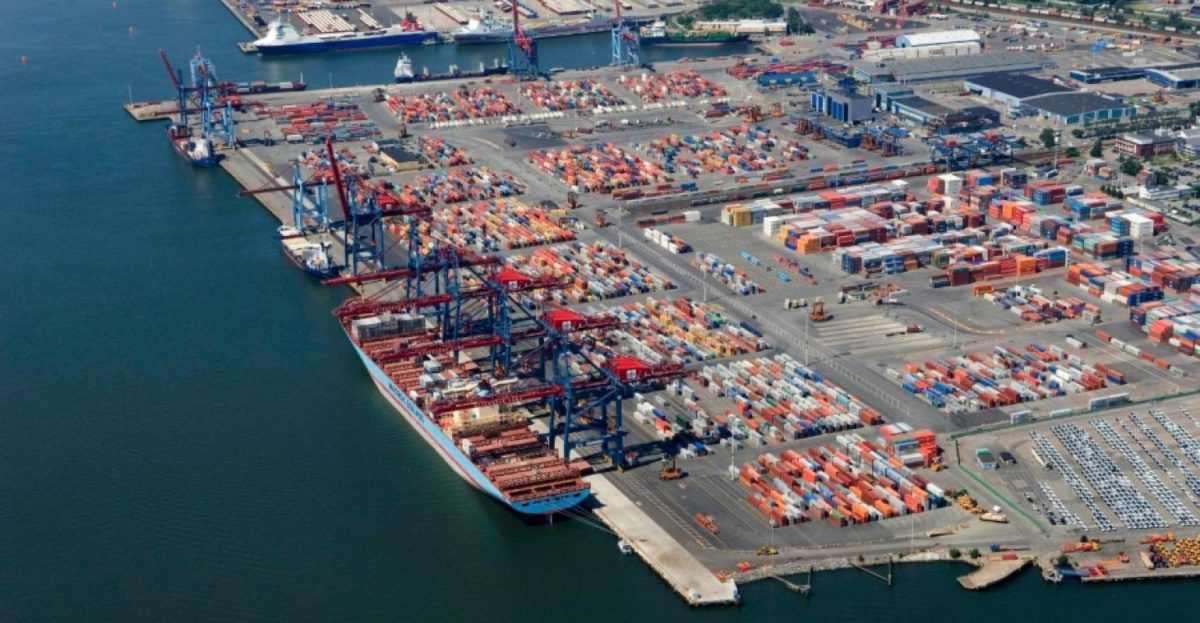
In a show of solidarity, IF Metall has called on other unions for support, prompting the Transport Workers to announce their intent to stand with the strike starting November 7. They have stated that they will refrain from handling incoming shipments of Tesla vehicles and components at the ports of Malmö (Copenhagen Malmö Port AB), Södertälje (Södertälje Hamn AB), Gothenburg (Logent Ports & Terminal AB Gothenburg), and Trelleborg (Trelleborg Hamn AB).

The Transport Workers have made it clear that they will not handle Tesla shipments until the company commits to a collective agreement with IF Metall. Although talks have resumed, no agreement has been reached thus far.

Notably, Clean Technica reports that the Tesla Model Y has emerged as the top-selling vehicle in Sweden. In September alone, 3,050 Model Y cars were registered, nearing the record of 3,202 in March 2023. The Model Y outperformed its closest competitor, the Volkswagen ID.4, by nearly threefold. Year-to-date figures indicate that 13,457 Model Y cars have been registered, underscoring the vehicle’s popularity in the Swedish market.

Based on registration data, electric vehicles now constitute two-thirds of all car sales in Sweden, up from just over 55 percent a year ago. In September, fully electric vehicles represented 40 percent of new registrations, with plug-in hybrids accounting for an additional 20 percent, matching the percentage of gasoline-powered cars registered that month.

Tommy Wreeth, Transport’s union chairman, emphasized the importance of collective agreements in the Swedish labor market, advocating for Tesla employees to also enjoy safe and fair working conditions. Transport has pledged to implement a blockade against all loading and unloading activities involving Tesla vehicles at the four ports until a resolution is reached with the company’s workforce.


bg-head-1200x750.jpg
Maritime transport, responsible for over 90% of global cross-border trade, is undergoing a transformative shift driven by technological advancements. Amidst the challenges brought on by the COVID-19 pandemic, the industry is seeking ways to harness technology for a more sustainable and resilient future. A recent collaborative study by the National University of Singapore and Nanyang Technological University sheds light on the Impact of Disruptive Technologies on Maritime Trade and Industry, offering valuable insights. Here are three key insights that set the stage for the convergence of maritime transport and technology.

Technology: A Crucial Lifeline for Maritime Sector in a Post-Pandemic World

Even before the pandemic, the maritime sector faced mounting pressure to adapt. The International Maritime Organization’s ambitious target of reducing annual GHG emissions by 50% from 2008 levels by 2050 underscored the need for cleaner, fuel-efficient technologies. The recent improvement in air quality due to lockdowns highlights the impact of clean technologies on climate and public health. Efficiency gains are within reach through digital integration. Integrated platforms like Port Community Systems promise to streamline operations by connecting various stakeholders, reducing delays caused by paperwork mismatches. However, only a fraction of IMO members have adopted these platforms. Digitization not only enhances efficiency but also minimizes physical interactions, a critical consideration in the context of COVID-19. The rise of e-documents enables swift formalities without the need for in-person exchanges.

Policy Power: Governments Pave the Way for Technological Adoption

Governments play a pivotal role in driving technology adoption. Dubai’s blockchain and e-document strategy aims to eliminate a staggering one billion paper documents, resulting in annual savings of US$5.5 billion. Increased adoption could drive down implementation costs for all parties involved. Supportive policies and incentives are crucial. Canada’s Shore Power Technology for Ports Program, for instance, funds up to 50% of projects bringing electricity from shores to docked ships, reducing reliance on auxiliary diesel engines. Regulatory sandboxes, piloted by countries like the UK and India, provide controlled environments for testing new technologies and crafting relevant policies. Singapore’s recent trials of smart ships and drones demonstrate a commitment to understanding the impact of technology on a small scale, informing future policy decisions.

Collaborative Ecosystems: The Key to Technological Transformation

Partnerships between policymakers, private sector entities, and academia are breaking down industry boundaries in the pursuit of commercially viable technological solutions. The Getting to Zero Coalition, an alliance of over 120 companies and policymakers, aims to have commercially viable, zero-emission vessels in operation by 2030. Collaboration focuses on zero-emission fuels, ships, and supportive policies. International companies and port authorities worldwide have signed agreements to ensure interoperability of global maritime technology platforms, necessitating common data standards and APIs. Academic institutions, through initiatives like Maritime Technologies Cooperation Centers, are driving the transfer of technical knowledge to developing countries, aiding emission reduction efforts. Technology holds the key to addressing critical challenges facing the maritime sector. However, its potential can only be fully realized through coordinated efforts, including conducive conditions, incentives, and global knowledge exchange. In charting the future of shipping, stakeholders across the sector must work together—we are all navigating the same waters!